The Duck Creek Aqueduct
An Indiana Historic Site in Crisis.
The Duck Creek Aqueduct
An Indiana Historic Site in Crisis.
An Indiana Historic Site in Crisis.
An Indiana Historic Site in Crisis.
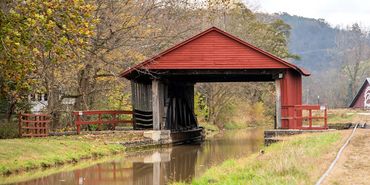
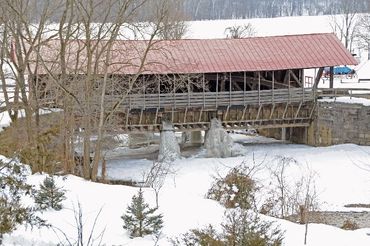
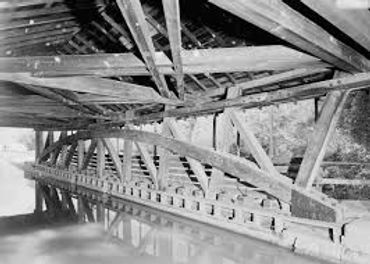
The Duck Creek Aqueduct in Metamora, Indiana, is one of the rarest and most significant canal structures in the United States. Built in 1846, the aqueduct is a covered wooden water bridge carrying the Whitewater Canal over Duck Creek. Constructed using covered-bridge truss techniques and a timber-lined water trough, it represents a unique adaptation in
American canal engineering. Today, it remains the only surviving covered wooden canal aqueduct in the United States and, based on comparative research across North America and Europe, the only known surviving and functioning example of timber-framed water-bridge engineering in the world. Because of its exceptional integrity and rarity, the Duck Creek Aqueduct has received multiple national honors:
• National Historic Landmark (NHL)
•National Historic Civil Engineering Landmark
(American Society of Civil Engineers)
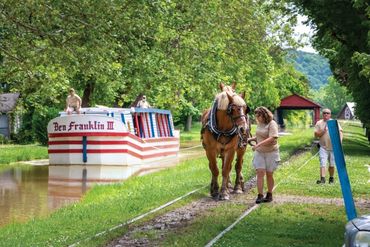
• National Register of Historic Places, as part of the Whitewater Canal Historic District The aqueduct is a central feature of the 14.5-mile Whitewater Canal State Historic Site, managed by the State of
Indiana. This preserved corridor includes the canal, a feeder dam, Lock No. 24, the Metamora Grist Mill, and other structural elements once forming the region’s transportation backbone.
The Duck Creek Aqueduct stands at the heart of this system, offering a direct connection to 19th-century water-engineering traditions and the ways communities adapted natural and engineered waterways to support transportation, power, and industry

.JPG/:/cr=t:2.17%25,l:0%25,w:97.83%25,h:97.83%25/rs=w:370,cg:true,m)
Web Site Design by Stenger Productions LLC
We use cookies to analyze website traffic and optimize your website experience. By accepting our use of cookies, your data will be aggregated with all other user data.